Decoding the Crypto Market:What Does Cryptocurrency Market Mean in English
When people ask, "加密货币市场是什么意思啊英文?" (What does "cryptocurrency market" mean in English?), they are often seeking to understand a dynamic and increasingly influential segment of the global financial system. In simple terms, the cryptocurrency market refers to the decentralized digital ecosystem where cryptocurrencies—such as Bitcoin (BTC), Ethereum (ETH), or Dogecoin (DOGE)—are bought, sold, traded, and valued. Unlike traditional stock markets, which operate through centralized exchanges and regulatory bodies, the cryptocurrency market is driven by blockchain technology, peer-to-peer networks, and a global community of participants.
Core Components of the Cryptocurrency Market
To grasp its meaning fully, it helps to break down the key elements that define this market:
-
Cryptocurrencies: These are digital or virtual assets secured by cryptography, using blockchain technology to record transactions securely. Examples include Bitcoin (the first and most well-known cryptocurrency), Ethereum (which supports smart contracts), and thousands of altcoins (alternative cryptocurrencies).
-
Exchanges: Platforms where users can trade cryptocurrencies for fiat currencies (like USD or EUR) or other cryptocurrencies. Centralized exchanges (CEXs) such as Binance or Coinbase act as intermediaries, while decentralized exchanges (DEXs) like Uniswap facilitate direct peer-to-peer trading without intermediaries.
-
Trading Activities: The market operates 24/7, allowing continuous buying, selling, and speculation. Traders analyze price charts, market trends, and news to make decisions, and the market’s volatility—where prices can swing dramatically in short periods—is a defining characteristic.
-
Market Capitalization: A key metric to gauge the market’s size, calculated by multiplying a cryptocurrency’s current price by its circulating supply. For example, Bitcoin’s market cap often exceeds $500 billion, reflecting its dominance in the space.
-
Participants: The market includes a diverse range of actors: individual investors, institutional players (like hedge funds or companies), miners/validators (who secure blockchain networks), and developers who build blockchain applications.
How Does the Cryptocurrency Market Work?
Unlike traditional markets, the cryptocurrency market is decentralized, meaning it is not controlled by a single entity like a government or bank. Instead, transactions are verified and recorded on a distributed ledger (blockchain) by a network of participants. This decentralization ensures transparency (all transactions are publicly visible) and reduces relia
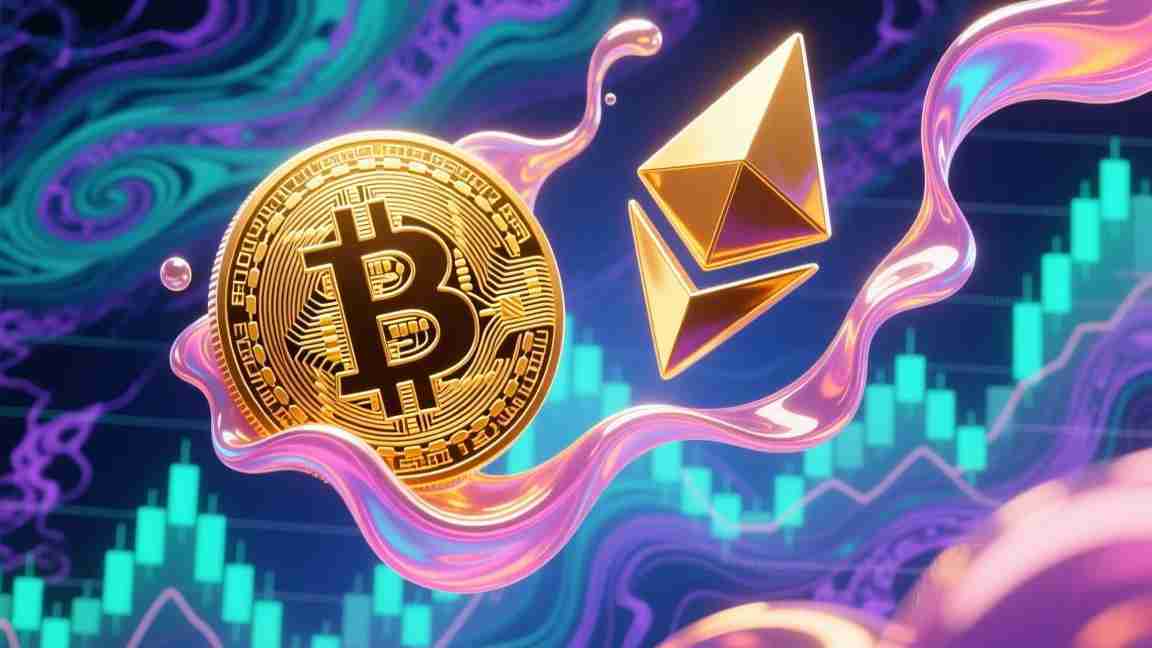
Prices in the cryptocurrency market are determined by supply and demand. Factors influencing demand include:
- Market sentiment: Investor optimism or pessimism (e.g., driven by news, regulations, or technological advancements).
- Adoption: Increased use of cryptocurrencies for payments, investments, or in decentralized finance (DeFi).
- Macro trends: Broader economic conditions, such as inflation or interest rate changes.
Why Is the Cryptocurrency Market Significant?
The cryptocurrency market has grown from a niche experiment to a multi-trillion-dollar industry with far-reaching implications:
- Financial innovation: It enables technologies like DeFi (lending, borrowing, and trading without banks), NFTs (unique digital assets), and Web3 (a decentralized internet).
- Global accessibility: Anyone with an internet connection can participate, providing financial services to unbanked populations.
- Investment opportunities: While volatile, the market offers high-risk, high-reward potential for investors seeking diversification beyond traditional assets.
Challenges and Risks
Despite its potential, the cryptocurrency market is not without risks:
- Volatility: Prices can plummet or surge unexpectedly, leading to significant gains or losses.
- Regulatory uncertainty: Governments worldwide are still developing frameworks for crypto, creating legal ambiguity.
- Security threats: Hacks, scams, and fraud (e.g., phishing attacks or exchange breaches) pose risks to investors.
Conclusion
In English, "cryptocurrency market" encompasses the entire ecosystem of digital asset trading, defined by decentralization, blockchain technology, and global participation. It is a fast-evolving space that blends finance, technology, and speculation, offering both opportunities and challenges. For those new to the concept, understanding its core components, mechanics, and risks is the first step toward navigating this exciting yet complex market. Whether you’re an investor, developer, or simply curious, the cryptocurrency market is reshaping the future of finance—one block at a time.